The Different Uses of Air Trays & Combo Trays
Transporting human remains requires equipment designed specifically for protection, stability, and respectful handling. The type of transport tray used plays a critical role in ensuring the process is secure, compliant, and consistent.
Funeral professionals most often rely on two purpose-built solutions for these situations: air trays and combo trays. While both are designed for transport environments, each serves a distinct role based on how the remains are prepared and supported during shipment.
Understanding when each option is appropriate helps funeral homes make confident decisions that support both operational efficiency and dignified care.
Why Transport Equipment Selection Matters
Transport environments introduce variables that are not present during standard preparation or internal handling. Multiple transfer points, external carriers, extended travel time, and varying handling conditions all place additional demands on containment and structural support.
Using equipment specifically designed for transport helps:
- Maintain stability during movement
- Provide consistent structural protection
- Support safe handling across multiple touchpoints
- Reduce uncertainty during shipping logistics
Purpose-built trays serve as structural systems designed for transport conditions, not just containers.
Air Trays for Casketed Remains
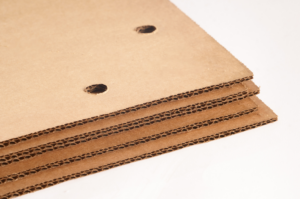
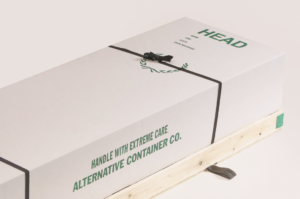
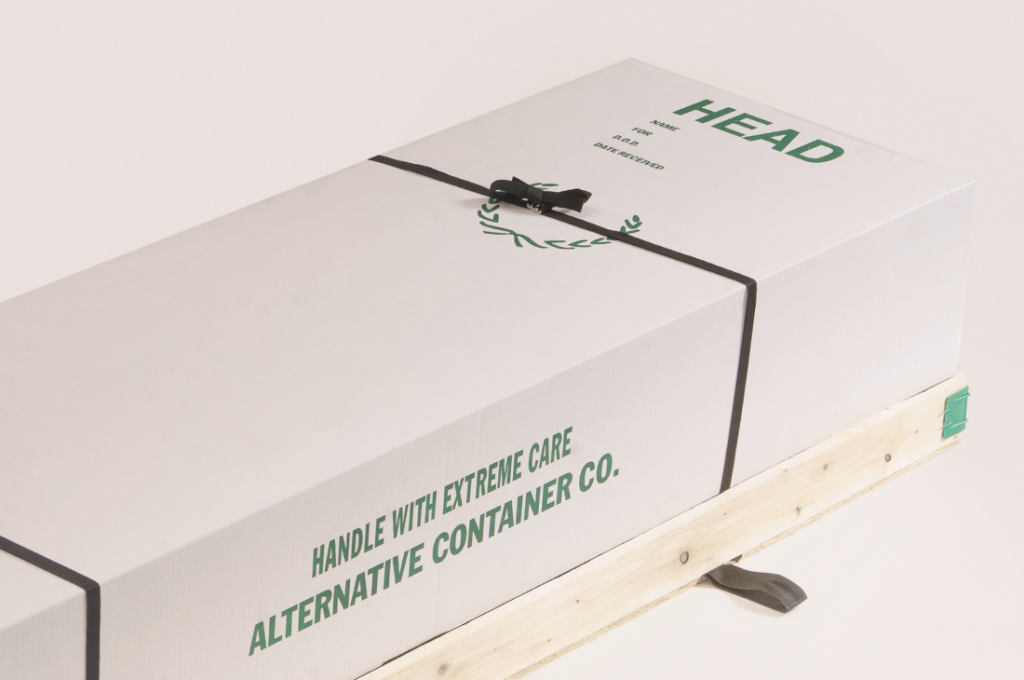
Air trays are designed to provide reinforced external protection when transporting casketed remains. Their construction supports the structural demands of shipping environments where strength, stability, and secure containment are essential.
These trays are commonly selected when remains are transported in a casket and require reliable protection throughout handling and transit. Their design supports movement across multiple transfer points while maintaining the integrity of the casketed remains inside.
Air trays are typically used when:
- Remains are transported in a casket
- Airline or long-distance shipment is involved
- Reinforced structural support is required
- External protection during handling is a priority
By supporting consistent protection throughout the transport process, air trays help funeral professionals manage shipping logistics with confidence.
Combo Trays for Uncasketed Remains
Combo trays are designed specifically for the secure transport of uncasketed remains. Their construction provides internal support, protective containment, and positioning features that help maintain stability during movement and handling.
Because uncasketed transport requires both structural integrity and careful positioning, combo trays provide a contained environment that supports protection throughout the shipping process. Their design focuses on maintaining secure placement while accommodating the realities of transport conditions.
Combo trays are commonly selected when:
- Remains are not placed in a casket
- Airline or long-distance transport is required
- Internal positioning and containment are needed
- Transport involves multiple handling stages
By providing both support and containment, combo trays help ensure remains are protected and handled with consistency throughout transit.
Selecting the Appropriate Tray for Transport
Choosing between an air tray and a combo tray begins with how the remains are prepared prior to shipment. The preparation method determines the type of structural support required during transport.
When remains are casketed, reinforced external protection is the primary concern. Air trays are designed to provide that level of structural support throughout handling and movement.
When remains are uncasketed, internal support and secure containment become the priority. Combo trays provide a structured environment that helps maintain positioning and protection during transit.
Matching the tray to the preparation method helps simplify decision-making and supports a more predictable transport process.
Supporting Consistent Handling Across Transport Conditions
Transport scenarios vary widely depending on distance, handling frequency, and logistical complexity. Across a range of transport conditions, equipment must perform reliably under changing circumstances.
Using trays designed specifically for transport helps funeral professionals:
- Maintain consistent handling standards
- Support safe movement across carriers and facilities
- Provide dependable protection during extended travel
- Reduce variability in transport preparation
Purpose-built transport solutions allow funeral homes to focus on care and service while relying on equipment designed to support the demands of shipment environments.
Choosing the Right Transport Solution with Confidence
Selecting the appropriate tray is ultimately about aligning the transport method with the level of protection and support required. Air trays and combo trays serve different purposes, with each designed for a specific preparation method and transport condition.
When remains are casketed and require reinforced external protection during shipment, air trays provide the structural support needed for secure transport. When remains are uncasketed and require contained positioning and internal protection, combo trays offer a purpose-built solution designed for that environment.
By choosing equipment specifically designed for transport conditions, funeral professionals can support consistent handling, dependable protection, and a process that reflects both operational reliability and respectful care.
Alternative Container provides purpose-built solutions designed for real-world funeral service needs. If you would like guidance selecting the appropriate tray for a specific situation, connect with our team to receive straightforward, professional support tailored to your operation.